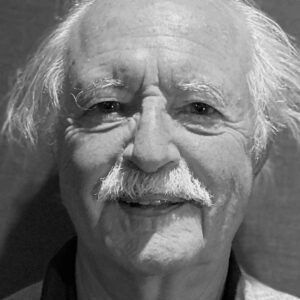


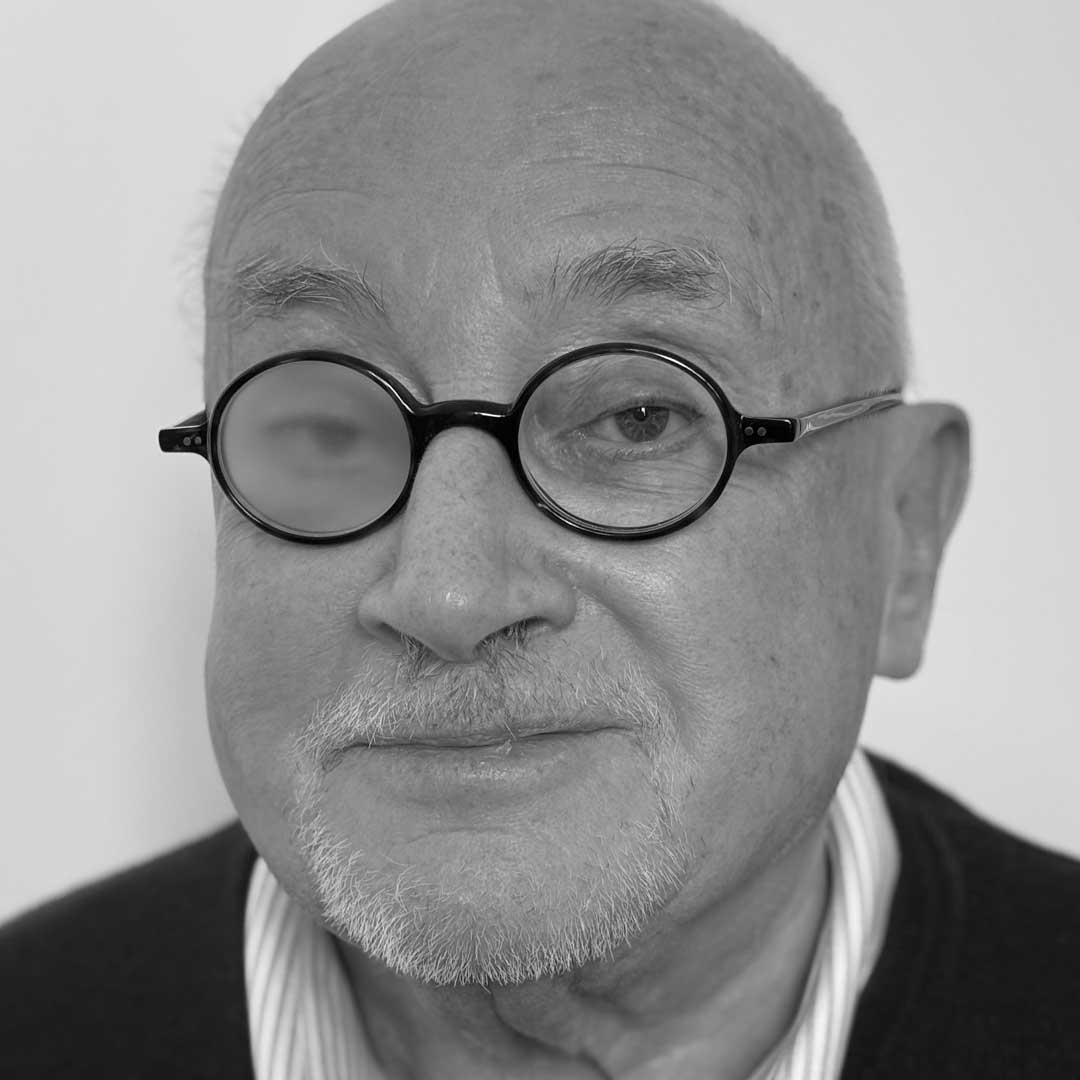
Dirk Salomons (* 1940) grew up in the Netherlands as the son of a Jewish father and a non-Jewish mother. When the Nazis began mass deportations of Jewish citizens in 1942, Dirk’s father made his summer home—located in the Netherlands’ largest forest area—available as a hiding place for a family of six. Farmers whom his father had known for many years ensured the safety and well-being of those in hiding. When Dirk’s parents, in their so-called “mixed marriage,” also faced persecution, they too moved into the summer house with Dirk. In early 1945, there was a danger of being betrayed. The farmers’ Christian network ensured that those in hiding were housed in different homes. Until their liberation by the Canadians in April 1945, they all remained separated from one another; afterward, they were reunited. After the war, Dirk Salomons studied German language and literature and comparative literature, and worked for a time as a literary critic and translator of Thomas Mann’s works. In the 1970s, Dirk Salomons emigrated to the United States. He held various leadership positions at the UN, including Executive Director of the UN peacekeeping mission in Mozambique. Later, he served as an advisor on humanitarian aid and as a lecturer at Columbia University.