

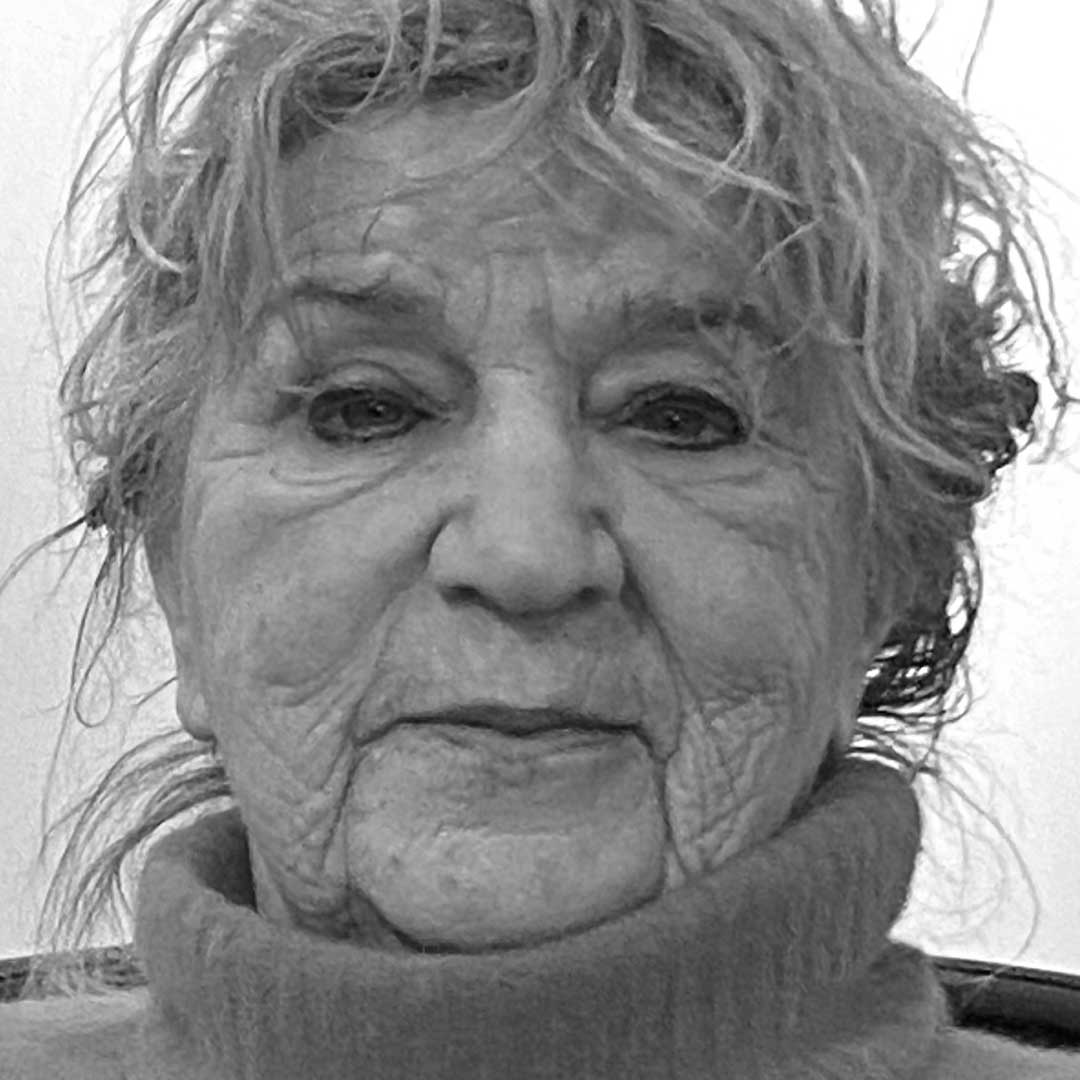
Emmy Drop-Menko (* 1938) is two years old when the German Wehrmacht invades the Netherlands. In 1942, her Jewish family goes into hiding to avoid arrest. For safety reasons, Emmy is separated from her relatives. At first, hiding places are found for her in Ter Wolde and Deventer. Eventually, Emmy is placed with a foster family in Arnhem, where she can grow up protected and cared for. But from September 1944 onwards, chaos breaks out: the city is evacuated because of the Battle of Arnhem, and Emmy is separated from her foster parents. She does not see them again until after the war. After the liberation, Emmy learns that her parents, her brother, and her sister had already been betrayed and arrested by the Germans in 1943. They were deported via the Westerbork transit camp to the Sobibor extermination camp in Poland, where they were murdered in the gas chamber immediately upon arrival on July 23, 1943. As a result, the post-war period becomes a sad and difficult time for Emmy. One of her father’s sisters takes her in, but she is herself too traumatized to properly care for the child. Emmy is therefore forced to move in with one of her father’s brothers. At the age of eighteen, Emmy wins a court case that allows her to return to her foster parents. There, she finds peace and the space to develop as a person. From that moment on, Emmy can finally begin her own life.